

As a supplier of the Double Boom Tunnel Drilling Rig, I understand the significance of proper maintenance in ensuring the optimal performance and longevity of this powerful piece of equipment. In this blog post, I'll delve into the essential maintenance requirements for the Double Boom Tunnel Drilling Rig, offering insights based on industry knowledge and experience.
1. Pre - Operational Maintenance
Before each use of the Double Boom Tunnel Drilling Rig, a thorough pre - operational check is crucial.
Visual Inspection
First, conduct a comprehensive visual inspection of the entire rig. Check the booms for any visible signs of damage, such as cracks, dents, or excessive wear. The booms are the primary structures that support the drilling equipment, and any compromise in their integrity can lead to serious safety issues and inefficiencies. Inspect the hydraulic hoses for leaks, cuts, or bulges. Hydraulic systems play a vital role in powering the movements of the rig, so identifying and addressing potential hydraulic problems early on is essential. Also, examine the tracks or wheels (depending on the rig's mobility type) for proper alignment and damage. A misaligned or damaged track/wheel can affect the rig's stability and maneuverability.
Fluid Levels
Check all the necessary fluid levels, including hydraulic fluid, engine oil, coolant, and fuel. Hydraulic fluid is responsible for transmitting power in the hydraulic system. Low hydraulic fluid levels can cause the system to overheat and reduce the rig's performance. Engine oil lubricates the engine's moving parts, and maintaining the correct oil level prevents engine wear and tear. Coolant helps regulate the engine temperature, preventing it from overheating during operation. And of course, ensuring an adequate fuel supply is essential for the rig to function.
Function Testing
Test all the controls and functions of the rig, including the boom movements, drilling feed, and rotation. Make sure that all the switches and levers operate smoothly and that the rig responds as expected. This helps to identify any potential electrical or mechanical issues before starting actual drilling operations.
2. Regular Maintenance Schedules
Daily Maintenance
- Cleaning: After each day of operation, it is essential to clean the rig. Remove any dirt, dust, rock debris, or mud that has accumulated on the rig's surface, especially on critical components such as the booms, hydraulic cylinders, and drill bits. Cleaning not only improves the appearance of the rig but also prevents the build - up of abrasive materials that can cause premature wear.
- Lubrication: Lubricate all the moving parts, such as joints, bearings, and pins. Proper lubrication reduces friction, minimizes wear and tear, and extends the lifespan of these components. Use the recommended lubricants specified by the manufacturer.
Weekly Maintenance
- Filter Checks and Replacements: Check and replace the air filters, fuel filters, and hydraulic filters as needed. Filters prevent contaminants from entering the engine, fuel system, and hydraulic system, respectively. Clogged filters can restrict the flow of air, fuel, or hydraulic fluid, leading to reduced performance and potential damage to the equipment.
- Bolt and Nut Tightening: Inspect all the bolts and nuts on the rig and tighten them if necessary. Vibration during operation can cause these fasteners to loosen over time, which can result in component misalignment or even detachment.
Monthly Maintenance
- Hydraulic System Inspection: Have a detailed inspection of the hydraulic system. Check the hydraulic pump, valves, and cylinders for proper operation. Look for any signs of internal leakage or abnormal pressure fluctuations. A well - maintained hydraulic system is essential for the smooth and efficient operation of the Double Boom Tunnel Drilling Rig.
- Electrical System Check: Examine the electrical wiring, connectors, and switches. Look for any signs of corrosion, fraying, or loose connections. Electrical problems can cause malfunctions in the rig's controls and monitoring systems.
Quarterly Maintenance
- Engine Tune - up: Perform a comprehensive engine tune - up, including spark plug replacement (for gasoline engines), fuel injector cleaning, and ignition system checks. A well - tuned engine ensures optimal power output and fuel efficiency.
- Track/Wheel Alignment and Tension Adjustment: For tracked rigs, adjust the track tension to the recommended level. Incorrect track tension can lead to uneven wear of the tracks and reduced mobility. For wheeled rigs, check and adjust the wheel alignment as needed to ensure smooth and straight - line movement.
3. Component - Specific Maintenance
Drill Bits
The drill bits are the most critical cutting components of the Double Boom Tunnel Drilling Rig. Inspect the drill bits regularly for wear, chipping, or dullness. Replace the drill bits when they no longer meet the required performance standards. Using worn - out drill bits can increase drilling time, reduce drilling accuracy, and put additional stress on the rig's drilling mechanism.
Hydraulic Components
As mentioned earlier, the hydraulic system is essential for the rig's operation. Replace hydraulic seals as soon as signs of leakage are detected. Leaking hydraulic fluid not only causes environmental pollution but also reduces the efficiency of the hydraulic system. Also, periodically flush the hydraulic system and replace the hydraulic fluid according to the manufacturer's recommendations to remove any contaminants that may have accumulated over time.
Engine
The engine is the power source of the rig, so proper engine maintenance is of utmost importance. Follow the manufacturer's service intervals for oil changes, air filter replacements, and spark plug changes (if applicable). Keep the engine's cooling system clean and clear of debris to prevent overheating. Regularly check the engine's belts and hoses for wear and replace them if necessary.
4. Storage and Winterization
When the Double Boom Tunnel Drilling Rig is not in use for an extended period, proper storage and winterization are necessary.
Storage
Store the rig in a dry and protected area. If possible, cover the rig to prevent dust, dirt, and moisture from accumulating on it. Disconnect the battery to prevent self - discharge and corrosion.
Winterization
In cold climates, winterization is crucial to prevent damage to the rig's components. Drain the coolant system and replace it with a winter - grade coolant that can withstand low temperatures. Add a fuel stabilizer to the fuel tank to prevent fuel from gelling or degrading. Lubricate all the exposed metal parts to prevent rusting.
Invest in Quality Maintenance for Success
Proper maintenance of the Double Boom Tunnel Drilling Rig is essential for maximizing its performance, reliability, and lifespan. By following the pre - operational checks, regular maintenance schedules, component - specific maintenance, and proper storage and winterization procedures, you can ensure that your rig operates at its best and provides you with years of reliable service.
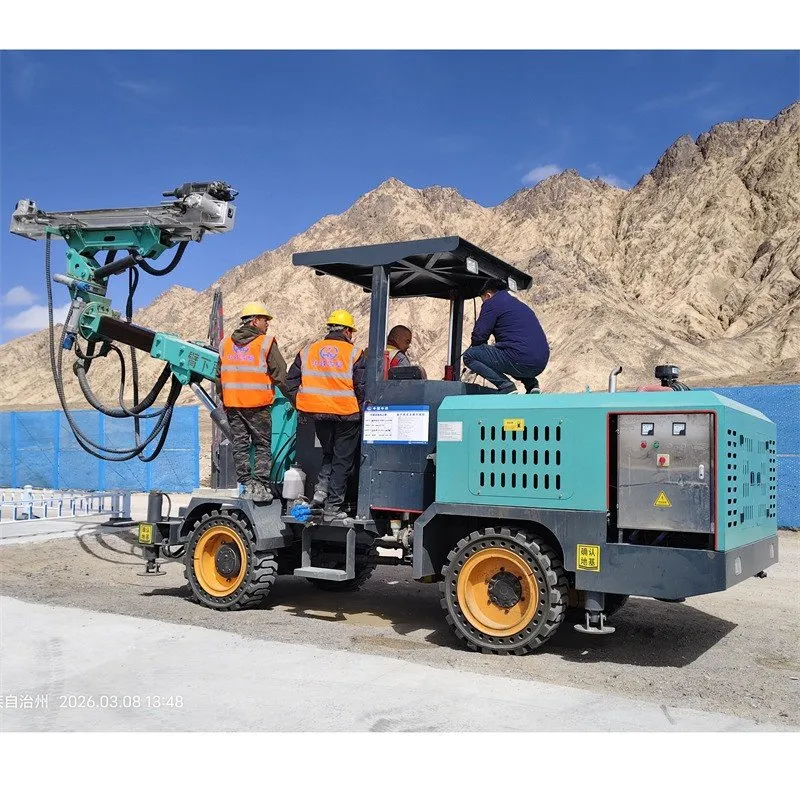
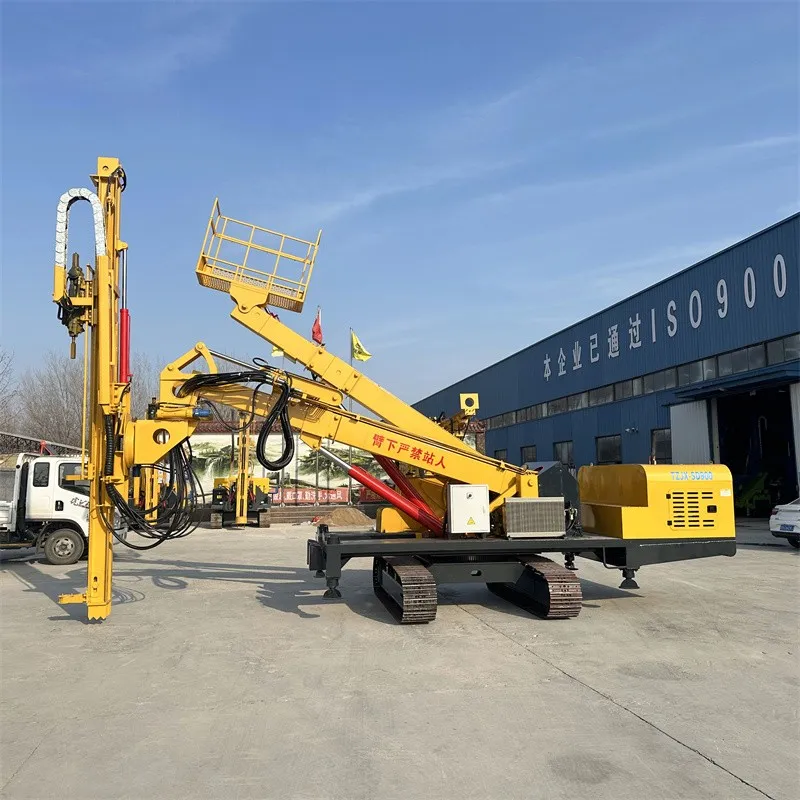
If you are in the market for a high - quality Double Boom Tunnel Drilling Rig or need more information about maintenance, feel free to reach out. We are here to assist you in making the right choice and ensuring that your rig is well - maintained. You can also explore our other related products, such as the Tunnel Drilling Rig, Single Boom Tunnel Drilling Rig, Specialized Tunnel Rock Bolting Rig, Pneumatic Crawler Drill, and Tunnel Support Rock Bolting Rig. Contact us for more details and to start a procurement discussion.
References
- "Tunnel Drilling Equipment Maintenance Handbook", Industry Standard Publications
- Manufacturer's Manual for Double Boom Tunnel Drilling Rig