

Storing a tunnel rock bolting rig properly when it's not in use is crucial for maintaining its performance, extending its lifespan, and ensuring safety. As a supplier of Tunnel Rock Bolting Rig, I understand the significance of correct storage practices. In this blog, I'll share some essential tips on how to store a tunnel rock bolting rig effectively.
Pre - storage Inspection
Before storing the tunnel rock bolting rig, a thorough inspection is necessary. This inspection helps identify any existing issues that could worsen during storage.
- Mechanical Components: Check all the mechanical parts such as the booms, drill bits, and feed systems. Look for signs of wear and tear, like cracks in the booms or dull drill bits. Replace any damaged components to prevent further deterioration. For example, if a drill bit is chipped, it can affect the drilling performance once the rig is back in use.
- Hydraulic System: Examine the hydraulic hoses, pumps, and cylinders. Look for leaks, loose connections, or signs of corrosion. A hydraulic leak can lead to a loss of pressure and reduced functionality. If any leaks are found, repair them immediately.
- Electrical System: Inspect the electrical wiring, switches, and control panels. Ensure that there are no frayed wires or loose connections. Faulty electrical components can cause malfunctions and pose a safety hazard.
Cleaning the Rig
Proper cleaning is an important step in the storage process.
- Remove Debris: Use compressed air or a high - pressure water jet to remove dirt, dust, and rock particles from the rig. Pay special attention to hard - to - reach areas such as the booms' joints and the drill head. Debris can cause abrasion and corrosion over time.
- Clean Fluids: Drain all the fluids from the rig, including hydraulic oil, engine oil, and coolant. These fluids can break down and become contaminated during storage, which can damage the internal components. After draining, clean the fluid reservoirs to remove any sediment.
Lubrication
Lubrication is essential to prevent rust and corrosion of the rig's moving parts.
- Apply Lubricant: Use a high - quality lubricant on all the moving parts, such as the booms' hinges, drill feed mechanisms, and the gearboxes. The lubricant forms a protective layer that prevents moisture from reaching the metal surfaces.
- Grease Fittings: Ensure that all the grease fittings are well - greased. This helps maintain smooth operation of the components when the rig is back in use.
Protection from the Elements
The storage environment plays a vital role in preserving the rig.
- Indoor Storage: If possible, store the tunnel rock bolting rig in an indoor facility. An indoor storage area protects the rig from rain, snow, and extreme temperatures. A dry and climate - controlled environment is ideal.
- Outdoor Storage: If indoor storage is not available, cover the rig with a heavy - duty tarp. Make sure the tarp is securely fastened to prevent it from being blown away by the wind. Elevate the rig off the ground using blocks to prevent moisture from seeping into the undercarriage.
Battery Maintenance
The battery is an important part of the rig, and proper maintenance is required during storage.
- Remove the Battery: Disconnect the battery from the rig and store it in a cool, dry place. This prevents the battery from discharging and extends its lifespan.
- Charge the Battery: Periodically charge the battery to maintain its charge level. A fully charged battery is less likely to suffer from sulfation, which can reduce its performance.
Documentation and Record - keeping
Keep detailed records of the rig's condition before storage.
- Inspection Reports: Document the results of the pre - storage inspection, including any repairs or replacements made. This information is useful when the rig is taken out of storage and needs to be put back into operation.
- Maintenance Logs: Maintain a maintenance log that includes details of all the maintenance activities performed during storage, such as lubrication and battery charging.
Regular Checks during Storage
Even when the rig is in storage, regular checks are necessary.
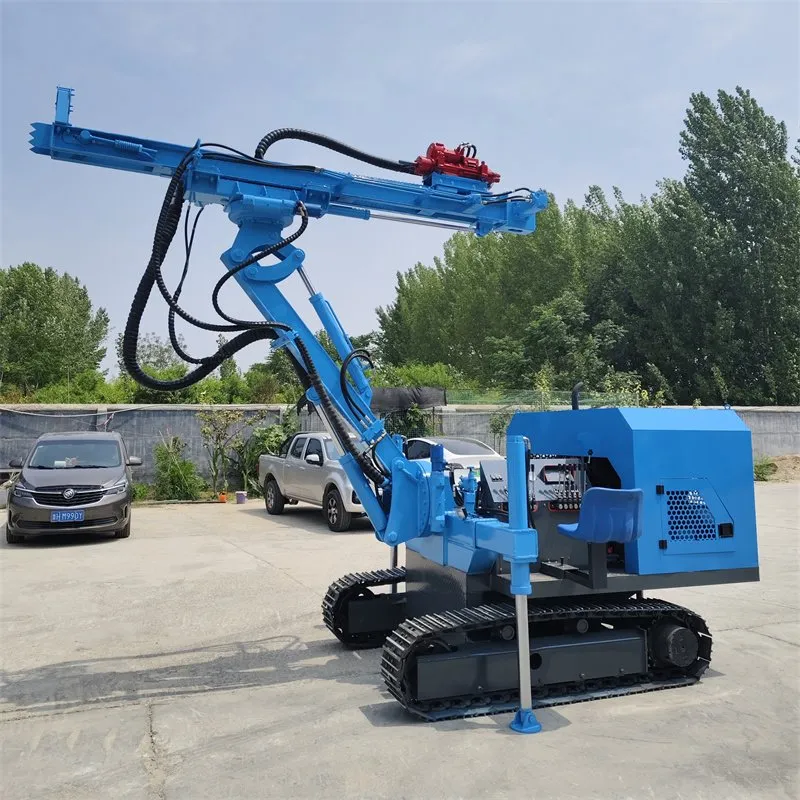
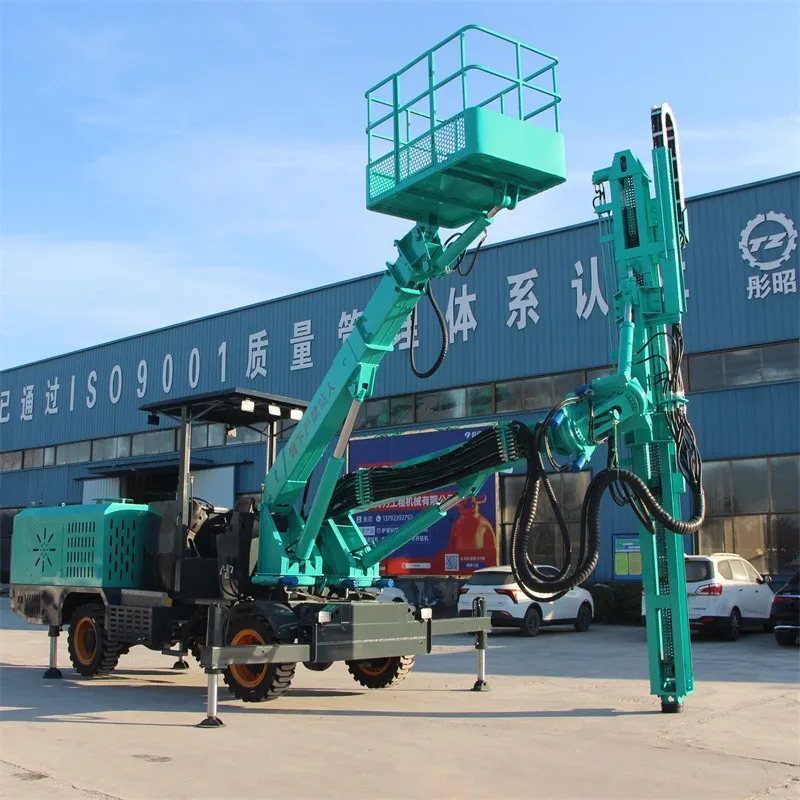
- Monthly Inspections: Conduct monthly inspections of the rig to ensure that it is in good condition. Check for signs of rust, corrosion, or any other issues that may have developed during storage.
- Function Tests: Periodically perform function tests on the rig's critical components, such as the hydraulic system and the electrical system. This helps identify any potential problems early on.
Comparison with Other Drilling Rigs
It's interesting to compare the storage requirements of a tunnel rock bolting rig with other types of drilling rigs. For example, the Two Boom Tunnel Jumbo Drill has a more complex structure due to its two booms. This means that more attention needs to be paid to the booms' storage and maintenance. The Pneumatic Crawler Drill relies on compressed air, so special care should be taken to protect the air - supply system during storage. The Single Boom Tunnel Drilling Rig Jumbo has a relatively simpler structure but still requires proper cleaning, lubrication, and protection from the elements. And the Tunnel Drilling Rig as a general category may have different models with varying storage needs.
Conclusion
Proper storage of a tunnel rock bolting rig is essential for its long - term performance and reliability. By following the steps outlined above, you can ensure that your rig is in good condition when it's time to use it again. If you are in the market for a high - quality tunnel rock bolting rig or need more information on storage and maintenance, feel free to contact us for a procurement discussion. We are committed to providing you with the best products and services.
References
- Construction Equipment Maintenance Handbook
- Drilling Rig Manufacturer's Manuals