

What is the lifting capacity of the accessories on a small four wheel pile driver?
As a supplier of Small Four Wheel Pile Drivers, I often get asked about the lifting capacity of the accessories that come with these machines. Understanding the lifting capacity is crucial for ensuring the safe and efficient operation of the pile driver, as well as for selecting the right accessories for specific projects.
Understanding Small Four Wheel Pile Drivers
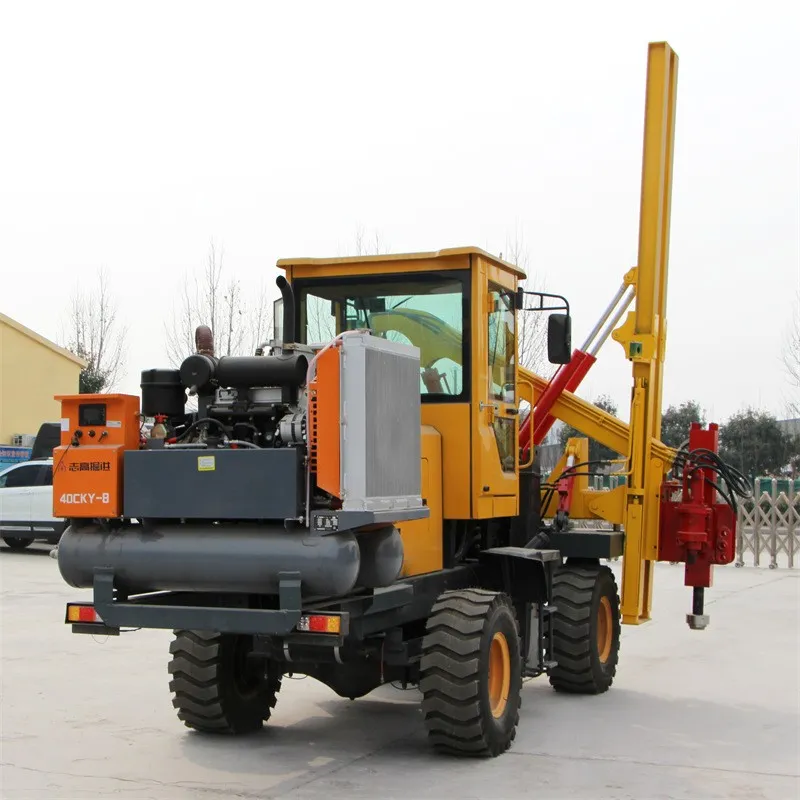
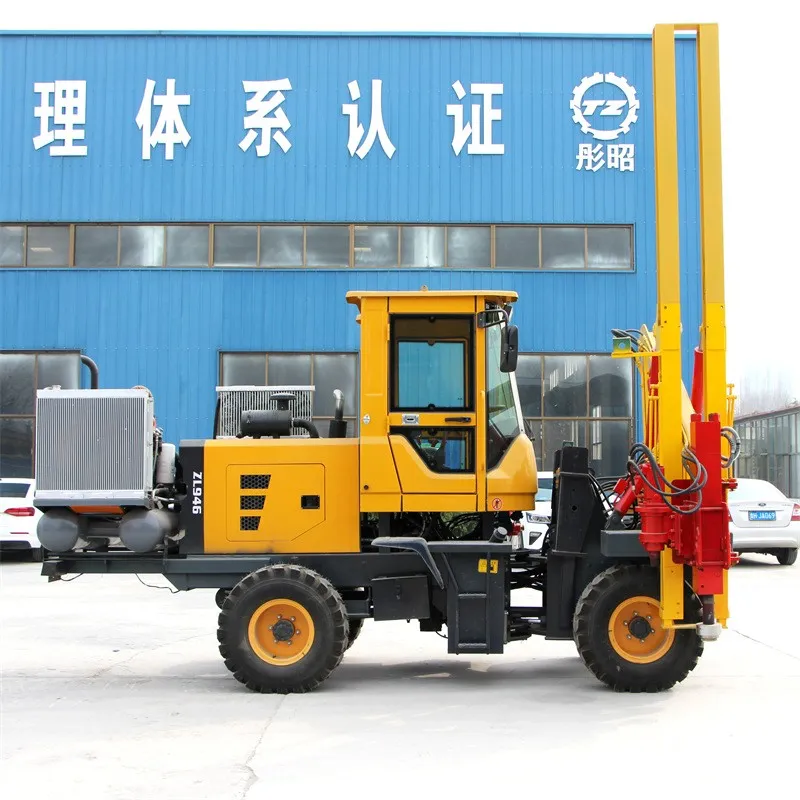
Small Four Wheel Pile Drivers are versatile machines designed for a variety of piling tasks, especially in areas where space is limited. These machines are known for their mobility, ease of use, and relatively low cost compared to larger pile driving equipment. They are commonly used in projects such as installing highway guardrails, wave - shaped guardrails, and other small - scale piling jobs. You can learn more about our Small Four Wheel Pile Driver on our website.
Types of Accessories and Their Lifting Capacities
1. Hammer Attachments
One of the most important accessories for a small four wheel pile driver is the hammer attachment. The hammer is responsible for driving the piles into the ground. The lifting capacity of the hammer attachment is determined by several factors, including the size and weight of the hammer, the power of the pile driver's hydraulic system, and the design of the attachment mechanism.
Typically, the lifting capacity of a hammer attachment on a small four wheel pile driver can range from 500 kg to 2000 kg. Smaller hammers, with a lifting capacity of around 500 - 1000 kg, are suitable for driving lightweight piles, such as those used in temporary structures or small - scale fencing projects. Larger hammers, with a lifting capacity of 1500 - 2000 kg, are more appropriate for driving heavier piles, such as those used in highway guardrail installations.
The lifting capacity of the hammer attachment is directly related to its ability to generate the force needed to drive the pile into the ground. A higher lifting capacity generally means a more powerful hammer, which can drive piles deeper and more efficiently. However, it's important to note that the lifting capacity should be matched to the requirements of the project. Using a hammer with too high a lifting capacity can cause damage to the piles or the pile driver itself, while using a hammer with too low a lifting capacity may result in incomplete pile driving.
2. Pile Clamps
Pile clamps are used to hold the pile in place during the driving process. The lifting capacity of pile clamps is mainly determined by their clamping force. A good pile clamp should be able to securely hold the pile without slipping, even under the high - impact forces generated by the hammer.
The lifting capacity of pile clamps on a small four wheel pile driver usually ranges from 300 kg to 1500 kg. This range allows for the clamping of different sizes and weights of piles. For example, a pile clamp with a lifting capacity of 300 - 500 kg can be used for small - diameter piles, while a clamp with a lifting capacity of 1000 - 1500 kg is suitable for larger and heavier piles.
When selecting a pile clamp, it's important to consider the shape and size of the pile. Different pile clamps are designed to accommodate different pile geometries, such as round, square, or rectangular piles. Ensuring a proper fit between the pile and the clamp is essential for maintaining the lifting capacity and preventing accidents during the piling process.
3. Extension Arms
Extension arms are used to increase the reach of the pile driver, allowing it to drive piles in areas that are otherwise difficult to access. The lifting capacity of extension arms is determined by their length, material, and the design of the connection to the pile driver.
The lifting capacity of extension arms on a small four wheel pile driver can vary significantly depending on these factors. Generally, shorter extension arms have a higher lifting capacity than longer ones. A typical extension arm with a length of 1 - 2 meters may have a lifting capacity of 800 - 1200 kg, while an extension arm with a length of 3 - 4 meters may have a lifting capacity of 500 - 800 kg.
It's important to note that using an extension arm can also affect the stability of the pile driver. When using an extension arm, the operator should ensure that the pile driver is properly balanced and that the lifting capacity of the arm is not exceeded.
Factors Affecting the Lifting Capacity
1. Hydraulic System
The hydraulic system of the small four wheel pile driver plays a crucial role in determining the lifting capacity of its accessories. A more powerful hydraulic system can provide greater force for lifting and operating the accessories. The pressure and flow rate of the hydraulic fluid are key factors in determining the lifting capacity. Higher pressure and flow rates generally result in a higher lifting capacity.
2. Structural Integrity
The structural integrity of the pile driver and its accessories is also important. A well - designed and constructed pile driver and accessories can withstand higher loads and forces, thereby increasing the lifting capacity. The materials used in the construction, such as high - strength steel, can contribute to the overall strength and durability of the equipment.
3. Operating Conditions
The operating conditions, such as the type of soil, the angle of the pile, and the environmental conditions, can also affect the lifting capacity. For example, driving piles in hard soil may require a higher lifting capacity than driving piles in soft soil. Similarly, driving piles at an angle may require additional force and a higher lifting capacity to ensure proper installation.
Importance of Knowing the Lifting Capacity
Knowing the lifting capacity of the accessories on a small four wheel pile driver is essential for several reasons. Firstly, it ensures the safety of the operators and the equipment. Exceeding the lifting capacity can lead to equipment failure, accidents, and injuries. Secondly, it helps in selecting the right accessories for the project. By understanding the lifting capacity, you can choose the accessories that are best suited for the size and weight of the piles you need to drive. Finally, it improves the efficiency of the piling process. Using the right accessories with the appropriate lifting capacity can result in faster and more accurate pile driving.
Conclusion
In conclusion, the lifting capacity of the accessories on a small four wheel pile driver varies depending on the type of accessory, the design of the pile driver, and the operating conditions. Hammer attachments, pile clamps, and extension arms all have different lifting capacities, which are determined by factors such as size, weight, hydraulic power, and structural integrity.
As a supplier of Small Four Wheel Pile Drivers, we are committed to providing high - quality equipment and accessories with accurate lifting capacity specifications. If you are considering a piling project and need more information about the lifting capacity of our accessories or our Small Four Wheel Pile Drivers, please feel free to contact us for a detailed discussion and to explore the best solutions for your needs. You can also check out our Highway Guardrail Post Driver and Wave Shaped Guardrail Piling Machine for more specialized piling equipment.
References
- Construction Equipment Handbook: A comprehensive guide to the design and operation of construction machinery, including pile drivers.
- Piling Industry Standards: Published by industry associations, these standards provide guidelines on the safety and performance of pile driving equipment and accessories.