

Hey there! As a supplier of Highway Wave Guardrail Pile Drivers, I often get asked about the fuel consumption of these machines. It's a crucial question, especially for those looking to manage their operational costs effectively. So, let's dive right into it and explore what factors influence the fuel consumption of a Highway Wave Guardrail Pile Driver.
Understanding the Basics
First off, the fuel consumption of a Highway Wave Guardrail Pile Driver can vary widely depending on several key factors. The type of engine, the workload, the operating conditions, and the machine's design all play a significant role in determining how much fuel it burns.
Most Highway Wave Guardrail Pile Drivers are powered by diesel engines. Diesel engines are known for their efficiency and power, but they also have different fuel consumption rates based on their size and configuration. A larger engine generally consumes more fuel, but it also provides more power, which can be necessary for heavy-duty piling tasks.
Factors Affecting Fuel Consumption
Engine Size and Power
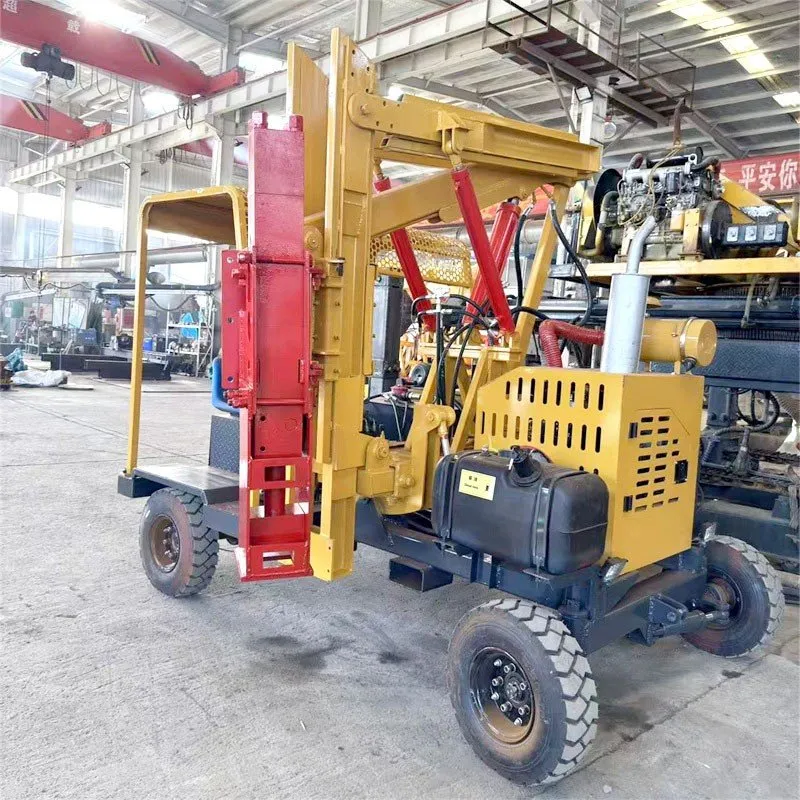
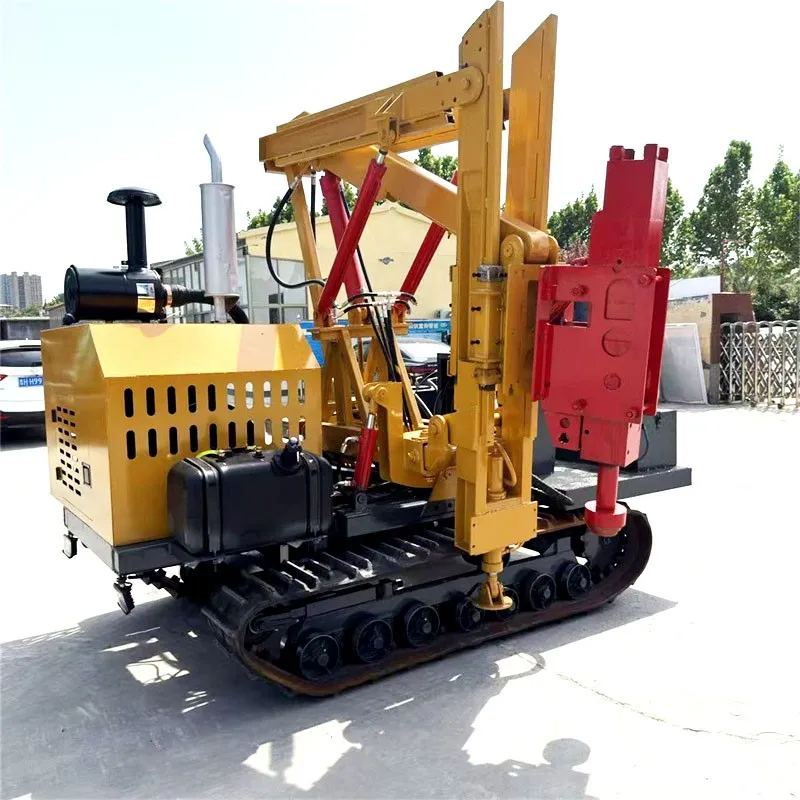
The engine is the heart of the pile driver, and its size and power directly impact fuel consumption. A more powerful engine can drive piles deeper and faster, but it requires more fuel to do so. For example, a Small Four Wheel Pile Driver typically has a smaller engine compared to a Crawler Guardrail Pile Driver. The smaller engine in the four-wheel pile driver consumes less fuel, making it a more fuel-efficient option for lighter piling jobs.
Workload and Piling Depth
The amount of work the pile driver has to do also affects fuel consumption. If you're driving piles deep into the ground or working in hard soil conditions, the engine has to work harder, which means it will burn more fuel. On the other hand, if you're driving shallow piles in soft soil, the engine doesn't have to exert as much effort, and fuel consumption will be lower.
Operating Conditions
The environment in which the pile driver operates can have a significant impact on fuel consumption. Extreme temperatures, high altitudes, and rough terrain can all increase the engine's workload and, consequently, its fuel consumption. For instance, in cold weather, the engine may take longer to warm up, and it may have to work harder to maintain its operating temperature, leading to higher fuel consumption.
Machine Design and Efficiency
Modern Highway Wave Guardrail Pile Drivers are designed with fuel efficiency in mind. Manufacturers use advanced technologies and engineering techniques to optimize the engine's performance and reduce fuel consumption. For example, some pile drivers are equipped with variable speed controls that allow the operator to adjust the engine's speed based on the workload, which can save fuel. Additionally, features like regenerative braking and energy recovery systems can also help reduce fuel consumption.
Typical Fuel Consumption Rates
It's difficult to provide an exact fuel consumption rate for a Highway Wave Guardrail Pile Driver because of the many factors involved. However, I can give you a general idea based on the different types of pile drivers.
A Small Four Wheel Pile Driver typically consumes around 2 - 4 liters of diesel per hour under normal operating conditions. This makes it a great option for small-scale projects or when fuel efficiency is a top priority.
A Crawler Guardrail Pile Driver, on the other hand, has a larger engine and is designed for more heavy-duty work. It can consume anywhere from 5 - 10 liters of diesel per hour, depending on the workload and operating conditions.
A Wave Guardrail Piling Machine falls somewhere in between. Its fuel consumption rate can range from 3 - 6 liters per hour, depending on its size and the specific tasks it's performing.
Tips for Reducing Fuel Consumption
If you're looking to reduce the fuel consumption of your Highway Wave Guardrail Pile Driver, here are some tips that can help:
- Proper Maintenance: Regular maintenance is crucial for keeping the engine running efficiently. Make sure to change the oil, filters, and spark plugs at the recommended intervals, and keep the engine properly tuned.
- Optimal Operating Speed: Operate the pile driver at the optimal speed for the task at hand. Avoid over-revving the engine, as this can waste fuel.
- Plan Your Work: Plan your piling tasks in advance to minimize unnecessary movement and idle time. This can help reduce fuel consumption.
- Use the Right Machine: Choose the right pile driver for the job. Using a smaller, more fuel-efficient machine for lighter tasks can save you money on fuel.
Conclusion
In conclusion, the fuel consumption of a Highway Wave Guardrail Pile Driver depends on several factors, including the engine size, workload, operating conditions, and machine design. By understanding these factors and following the tips for reducing fuel consumption, you can manage your operational costs effectively and get the most out of your pile driver.
If you're in the market for a Highway Wave Guardrail Pile Driver and want to learn more about fuel consumption or any other aspect of our products, feel free to reach out to us. We're here to help you find the right solution for your needs.
References
- Engineering textbooks on construction machinery
- Manufacturer's specifications for Highway Wave Guardrail Pile Drivers