

Hey there! As a supplier of Highway Guardrail Piling Machines, I've seen my fair share of issues with these machines over the years. In this blog, I'm gonna share some of the common faults you might encounter with a highway guardrail piling machine.
1. Hydraulic System Failures
One of the most frequent problems we come across is related to the hydraulic system. The hydraulic system is like the heart of the piling machine, as it powers many of the machine's functions, such as lifting, driving the pile, and adjusting the position.
Leakage
Hydraulic fluid leakage is a common headache. It can occur at various points, like the hoses, fittings, or even the hydraulic cylinders. A small leak might seem like no big deal at first, but over time, it can lead to a significant loss of fluid. This not only reduces the efficiency of the machine but can also cause damage to other components. For example, if the fluid level gets too low, the hydraulic pump might start to overheat and eventually fail.
Contamination
Another issue with the hydraulic system is contamination. Dirt, debris, and even water can find their way into the hydraulic fluid. This can cause abrasion to the internal parts of the hydraulic system, such as the pumps and valves. Contaminated fluid can also lead to blockages in the hydraulic lines, preventing proper flow and causing the machine to malfunction.
2. Engine Problems
The engine is what gives the piling machine the power it needs to operate. And just like any other engine, it can run into a few problems.
Overheating
Overheating is a common issue, especially when the machine is working in hot weather or under heavy load. If the engine overheats, it can cause serious damage to the internal components. This is usually caused by a lack of proper cooling, such as a clogged radiator or a malfunctioning cooling fan.
Fuel System Issues
Problems with the fuel system can also be a major headache. Clogged fuel filters, leaking fuel lines, or a faulty fuel pump can all lead to poor engine performance. If the engine isn't getting enough fuel, it might not have the power to drive the piles effectively, or it could even stall.
3. Pile Driving Unit Failures
The pile driving unit is the part of the machine that actually drives the guardrail piles into the ground. And it can have its own set of problems.

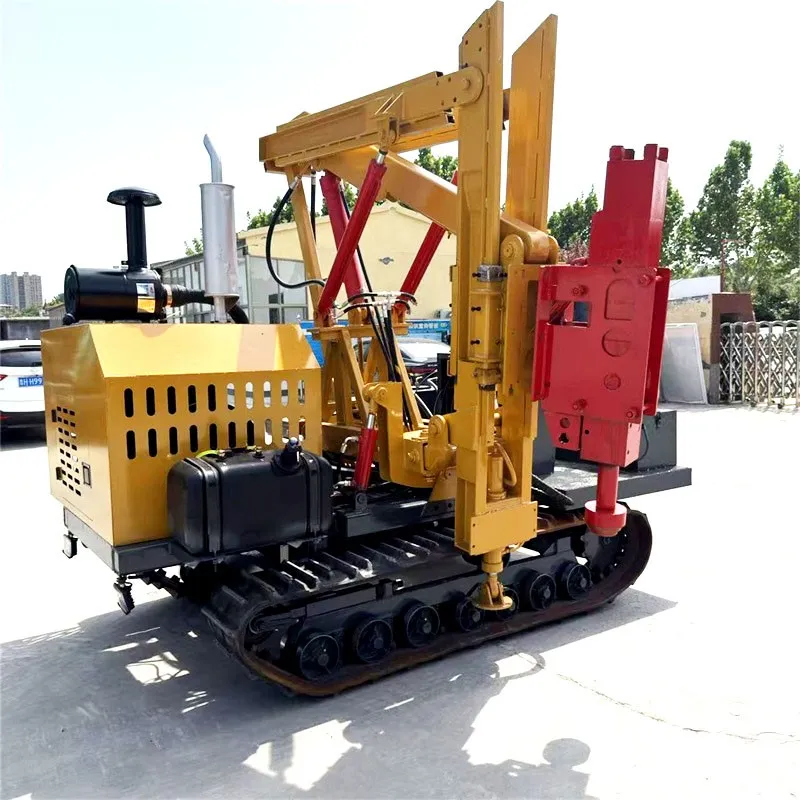
Hammer Malfunctions
The hammer is a crucial component of the pile driving unit. If it malfunctions, it won't be able to deliver the necessary force to drive the pile. This can be caused by a variety of factors, such as wear and tear on the hammer components, improper lubrication, or a damaged hydraulic system that powers the hammer.
Alignment Issues
Proper alignment is essential for the pile driving unit. If the pile isn't aligned correctly, it can cause the pile to be driven at an angle, which can affect the stability of the guardrail. Alignment issues can be caused by problems with the machine's leveling system or by hitting an obstacle underground.
4. Electrical System Failures
The electrical system in a highway guardrail piling machine controls many of the functions, including the lights, sensors, and controls.
Faulty Wiring
Faulty wiring is a common problem. Over time, the wires can become damaged due to vibration, abrasion, or exposure to the elements. This can cause electrical shorts, which can lead to a variety of issues, such as malfunctioning lights or sensors.
Battery Problems
The battery is the power source for the electrical system. If the battery isn't working properly, the machine might not start or might experience intermittent electrical problems. This can be caused by a dead battery, a faulty charging system, or loose connections.
5. Structural Damage
The structure of the piling machine is designed to withstand the forces involved in driving the piles. However, it can still be subject to damage.
Wear and Tear
Over time, the machine's structure can experience wear and tear, especially in areas that are exposed to high stress. This can lead to cracks or other forms of damage that can compromise the machine's integrity.
Collisions
Accidental collisions can also cause structural damage. For example, if the machine hits an object during operation, it can cause dents or bends in the frame, which can affect the machine's performance.
How to Avoid These Common Faults
Now that we've covered some of the common faults, let's talk about how to avoid them.
Regular Maintenance
Regular maintenance is the key to keeping your piling machine in good working condition. This includes checking the hydraulic fluid, changing the oil and filters, inspecting the electrical system, and lubricating the moving parts. By performing regular maintenance, you can catch potential problems before they become major issues.
Proper Training
Make sure your operators are properly trained on how to use the piling machine. This includes understanding the machine's controls, safety procedures, and maintenance requirements. A well-trained operator is less likely to cause damage to the machine or make mistakes that can lead to malfunctions.
Quality Parts
When it comes to replacing parts, always use high-quality parts. Using cheap or inferior parts can lead to more problems down the road. Make sure you're getting your parts from a reputable supplier.
Conclusion
As a supplier of highway guardrail piling machines, I know how important it is to keep these machines in good working condition. By being aware of the common faults and taking steps to avoid them, you can ensure that your piling machine is reliable and efficient.
If you're in the market for a highway guardrail piling machine, we offer a variety of options, including the Crawler Guardrail Pile Driver, Expressway Guardrail Pile Driver, and Spiral Pile Machine. If you have any questions or are interested in purchasing a machine, feel free to reach out and start a conversation with us. We're here to help you find the best solution for your needs.
References
- General knowledge and experience in the highway guardrail piling machine industry.
- Manufacturer's manuals and technical documentation for highway guardrail piling machines.