

Hey there! As a supplier of Crawler Guardrail Pile Drivers, I often get asked about how these machines adjust the pile - driving force. It's a crucial aspect, especially when it comes to different construction projects. So, let's dig into it.
Understanding the Basics
First off, a crawler guardrail pile driver is an awesome piece of equipment. It's designed to drive guardrail piles into the ground efficiently and accurately. Whether you're working on a Highway Guardrail Post Driver project, installing Wave Shaped Guardrail Piling Machine, or using a Spiral Pile Machine, the ability to adjust the pile - driving force is key.

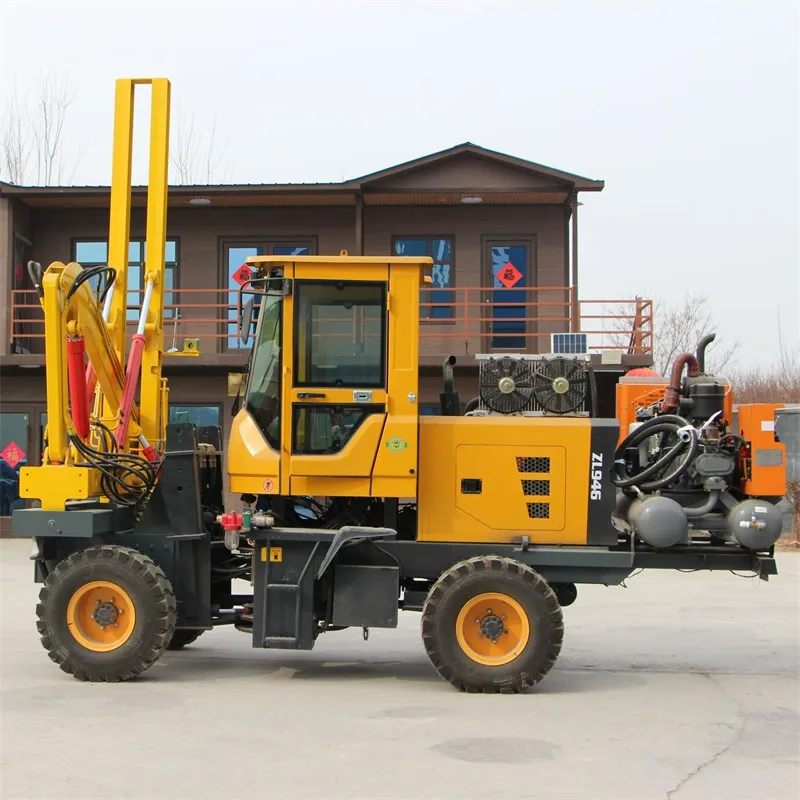
The pile - driving force is affected by many factors. The type of soil you're dealing with is a major one. Different soils have different densities and consistencies. For example, sandy soil is looser compared to clayey soil. In sandy soil, you might not need as much force to drive the pile in, while clayey soil requires more oomph.
Then there's the type of pile itself. Different piles have different shapes and sizes, and they're made of different materials. A steel pile will need a different driving force compared to a wooden pile. Also, the length and diameter of the pile play a role. Longer and thicker piles generally require more force to be driven into the ground.
Methods of Adjusting Pile - Driving Force
Hydraulic System Adjustment
Most modern crawler guardrail pile drivers use a hydraulic system to power the pile - driving process. The hydraulic system is really flexible when it comes to adjusting the force. You can change the pressure in the hydraulic cylinders. By increasing the pressure, you increase the force with which the hammer strikes the pile.
It's like using a stronger push to drive a nail into a wall. In the hydraulic system, you've got valves that control the flow of hydraulic fluid. By adjusting these valves, you can precisely control the pressure and, thus, the pile - driving force. For instance, if you're working on a project that requires a gentle touch, like installing guardrails in a park where the soil is soft, you can reduce the hydraulic pressure. On the other hand, for heavy - duty highway projects with compact soil, you can crank up the pressure.
Variable Speed and Stroke Adjustment
Another way to adjust the pile - driving force is by changing the speed and stroke of the hammer. The stroke is the distance the hammer travels during each strike. A longer stroke generally means a more powerful strike. You can adjust the stroke length on the pile driver. If you set a longer stroke, the hammer will gain more momentum before hitting the pile, resulting in a greater driving force.
The speed of the hammer also matters. A faster - moving hammer will hit the pile with more force. You can control the speed of the hammer's up - and - down motion. For example, if you need to drive a pile quickly into a relatively soft soil, you can increase the speed. But if you're dealing with a hard soil or a pile that requires a more controlled installation, you can slow down the speed.
Weight Adjustment
Some crawler guardrail pile drivers allow for weight adjustment. You can add or remove weights from the hammer or the machine itself. Adding more weight to the hammer increases the force of each strike. It's similar to using a heavier sledgehammer to drive a larger nail.
For instance, if you're working on a project with large - diameter steel piles in rocky soil, you might want to add extra weights to the hammer. This way, the pile will be driven more effectively. Conversely, if you're working on a small - scale project with light - duty piles, you can remove some weights to avoid over - driving the piles.
Importance of Accurate Force Adjustment
Getting the pile - driving force right is super important. If the force is too low, the pile won't be driven deep enough into the ground. This can lead to unstable guardrails. Imagine driving on a highway where the guardrails are wobbly because the piles weren't installed properly! It's a safety hazard.
On the other hand, if the force is too high, you can damage the pile. You might crack a wooden pile or deform a steel pile. Also, excessive force can cause the soil around the pile to become too compacted, which can affect the long - term stability of the pile.
So, being able to adjust the pile - driving force accurately is essential for a successful and safe construction project. Whether you're using a Highway Guardrail Piling Machine or a Guardrail Post Piling Machine, precise force adjustment is a must.
Real - World Applications
Let's take a look at some real - world scenarios where force adjustment is crucial. In a coastal area, the soil is often sandy and has a high water table. When installing guardrails along a coastal road, you need to adjust the pile - driving force to account for the loose soil. You might start with a lower force to avoid the pile sinking too fast or getting misaligned.
In a mountainous area, the soil can be rocky and uneven. Here, you'll probably need a higher pile - driving force. But you also need to be careful not to damage the piles when they hit the rocks. You can adjust the force incrementally, and maybe use a slower speed to ensure accurate installation.
Conclusion
Well, that's a rundown of how a crawler guardrail pile driver adjusts the pile - driving force. It's a combination of hydraulic system adjustments, variable speed and stroke control, and weight adjustment. Each method has its own advantages and is used depending on the specific project requirements.
If you're in the market for a crawler guardrail pile driver or have any questions about pile - driving force adjustment, feel free to reach out. We're here to help you find the right equipment for your project and make sure you can adjust the force accurately for a successful installation.
References
- Pile Driving Handbook, various authors
- Construction Equipment Magazine articles on pile drivers
- Industry manuals from leading pile - driving equipment manufacturers