

Can a Spiral Pile Machine be used for educational building foundations?
In the realm of construction, the choice of foundation technology is a critical decision that can significantly impact the stability, cost, and environmental footprint of a building. Educational buildings, which house students and staff, demand high - quality and reliable foundations to ensure long - term safety and functionality. As a supplier of spiral pile machines, I am often asked whether these machines can be effectively used for educational building foundations. In this blog, we will explore the feasibility, advantages, and considerations of using spiral pile machines for educational building foundations.
Feasibility of Spiral Pile Machines for Educational Building Foundations
Spiral pile machines are designed to install helical piles into the ground. Helical piles are steel shafts with helical plates welded to them, which are screwed into the soil to provide deep foundation support. The feasibility of using spiral pile machines for educational building foundations depends on several factors, including soil conditions, building design, and local building codes.
Soil conditions play a crucial role in the effectiveness of spiral piles. These piles work well in a variety of soil types, such as clay, sand, and silt. In cohesive soils like clay, the helical plates of the pile can grip the soil, providing significant bearing capacity. In granular soils like sand, the piles can be installed to a greater depth to reach more stable layers. However, in extremely rocky or hard - pan soils, the installation of spiral piles may be challenging, and alternative foundation methods may need to be considered.
The design of the educational building also affects the suitability of spiral pile foundations. Spiral piles can be used for both small - scale and large - scale educational buildings. For smaller buildings, such as single - story classrooms or small administrative buildings, spiral piles can provide a cost - effective and efficient foundation solution. For larger multi - story educational complexes, the load - bearing requirements are higher, but with proper engineering design, spiral piles can still be used. The piles can be spaced and sized appropriately to distribute the building's weight evenly across the soil.
Local building codes and regulations must also be taken into account. In many areas, spiral pile foundations are recognized and approved for use in construction projects. However, it is essential to ensure that the installation of spiral piles complies with all relevant codes and standards. This may involve obtaining the necessary permits, having the piles engineered by a qualified professional, and conducting soil tests to determine the appropriate pile design.
Advantages of Using Spiral Pile Machines for Educational Building Foundations
There are several advantages to using spiral pile machines for educational building foundations.
1. Speed of Installation
One of the most significant advantages is the speed of installation. Spiral pile machines can install piles quickly compared to traditional foundation methods, such as concrete footings. This is especially beneficial for educational building projects, which often have tight schedules. Reducing the construction time means that the building can be occupied earlier, minimizing disruptions to the educational institution's operations.
2. Minimal Environmental Impact
Spiral pile installation is a relatively clean and environmentally friendly process. Unlike concrete foundation construction, which may involve excavation, concrete pouring, and the use of heavy machinery, spiral pile installation produces less waste and disturbance to the surrounding environment. There is no need for large amounts of concrete, which reduces the carbon footprint associated with the project. Additionally, the installation process is less noisy, which is important in an educational setting where noise can disrupt learning.
3. Cost - Effectiveness
Spiral pile foundations can be cost - effective, especially for projects with challenging soil conditions. The reduced installation time and lower material costs compared to traditional foundations can result in significant savings. In addition, the ability to install piles in a variety of soil types without the need for extensive soil improvement can further reduce costs.
4. Flexibility
Spiral piles offer flexibility in design. They can be installed at different angles and depths to accommodate the specific requirements of the educational building. This flexibility allows for more creative and efficient building designs, especially in areas with limited space or complex site conditions.
5. Load - Bearing Capacity
Helical piles have a high load - bearing capacity. They can support both vertical and lateral loads, making them suitable for educational buildings that may experience wind, seismic, or other dynamic forces. The load - bearing capacity of spiral piles can be engineered to meet the specific requirements of the building, ensuring its long - term stability.
Considerations When Using Spiral Pile Machines for Educational Building Foundations
While there are many advantages to using spiral pile machines for educational building foundations, there are also some considerations that need to be addressed.
1. Soil Investigation
A thorough soil investigation is essential before installing spiral piles. This investigation should include soil testing to determine the soil type, density, and bearing capacity. Without accurate soil information, it is difficult to design the appropriate pile size, spacing, and installation depth. A qualified geotechnical engineer should be involved in the soil investigation process to ensure that the piles are designed to meet the specific soil conditions of the site.
2. Engineering Design
The design of the spiral pile foundation must be engineered by a qualified professional. The engineer will consider factors such as the building's weight, load distribution, and soil conditions to determine the appropriate pile design. The design should also comply with local building codes and standards. A well - designed spiral pile foundation is crucial for the long - term stability and safety of the educational building.
3. Installation Quality
The quality of the pile installation is critical. The spiral pile machine operator must be trained and experienced to ensure that the piles are installed correctly. The piles should be installed at the correct depth, angle, and torque to achieve the desired bearing capacity. Regular inspections during the installation process can help identify and correct any potential issues.
4. Maintenance
Although spiral piles generally require less maintenance compared to traditional foundations, some maintenance may still be necessary. Over time, the piles may be subject to corrosion, especially in areas with high soil moisture or aggressive soil conditions. Regular inspections and protective coatings can help prevent corrosion and ensure the long - term performance of the piles.
Related Equipment for Construction
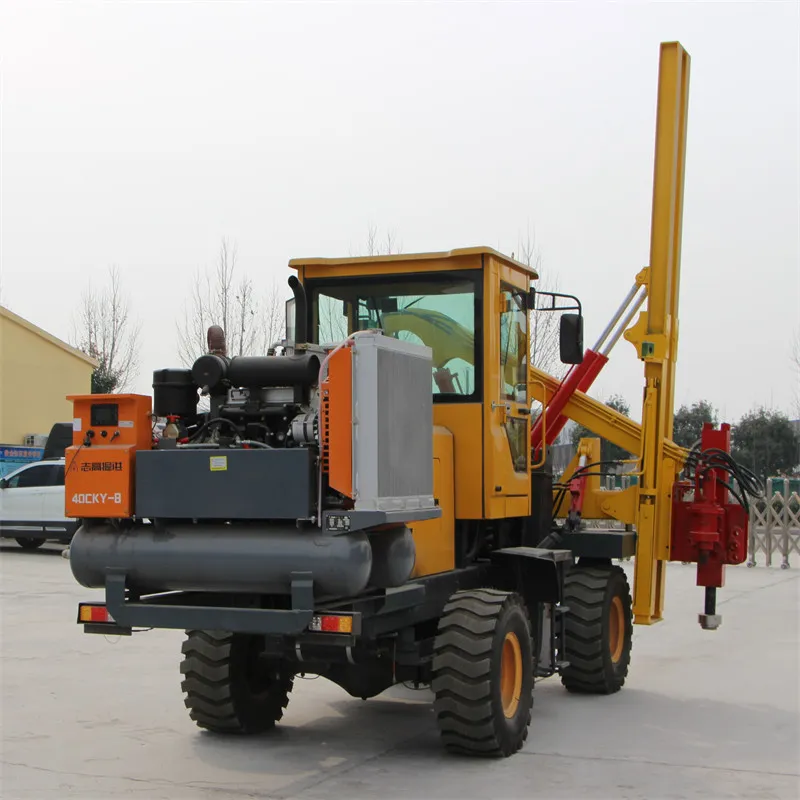
In addition to spiral pile machines, there are other types of piling machines that may be relevant to construction projects, including educational building construction. For example, the Wave Shaped Guardrail Piling Machine is used for installing wave - shaped guardrails along roads and other areas. This machine can be useful in the construction of educational facilities, especially if there are roads or parking areas on the site that require guardrails for safety.
The Guardrail Post Piling Machine is another type of equipment that can be used for installing guardrail posts. It is designed to drive posts into the ground quickly and efficiently, which is important for ensuring the stability of the guardrails.
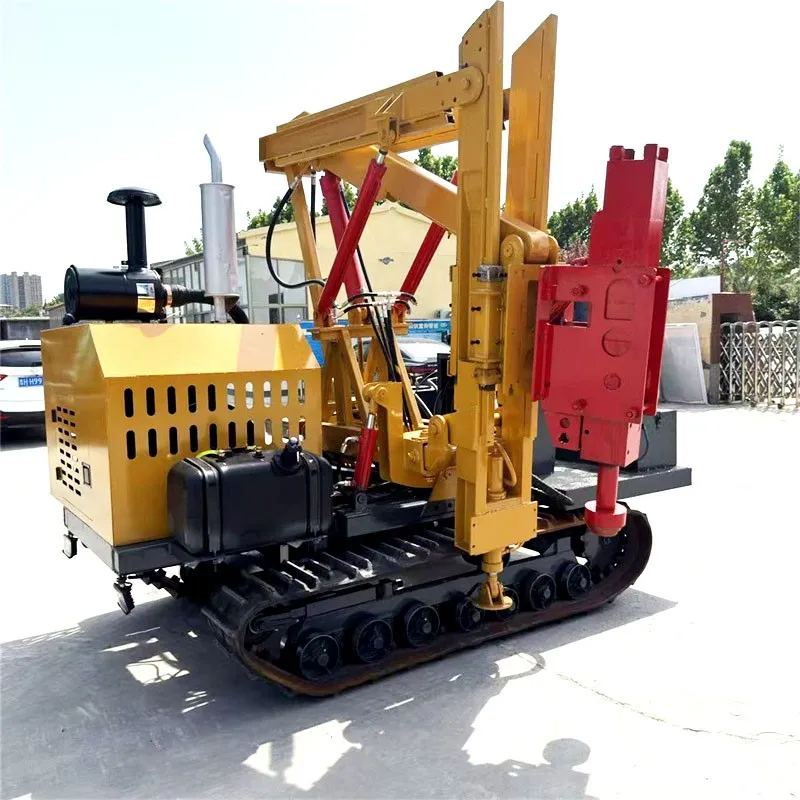
The Crawler Guardrail Pile Driver is a more mobile and versatile option for piling operations. It can be used on various terrains, making it suitable for different construction sites, including educational building sites.
Conclusion and Call to Action
In conclusion, spiral pile machines can be effectively used for educational building foundations in many cases. They offer numerous advantages, such as speed of installation, minimal environmental impact, cost - effectiveness, flexibility, and high load - bearing capacity. However, it is important to address the considerations, including soil investigation, engineering design, installation quality, and maintenance.
If you are considering using spiral pile machines for your educational building project, I encourage you to reach out to discuss your specific needs. Our team of experts can provide you with detailed information, engineering support, and assistance in choosing the right spiral pile machine for your project. We are committed to helping you build a safe, stable, and cost - effective educational building.
References
- American Society of Civil Engineers. (2019). Foundation Design Manual.
- Helical Pile Institute. (2020). Technical Guidelines for Helical Piles.
- Construction Industry Research and Information Association. (2018). Sustainable Construction Practices.