

Corrosion resistance is a critical factor in the performance and longevity of tunnel drilling rigs. As a leading tunnel drilling rig supplier, we understand the importance of this characteristic and its impact on the overall efficiency and cost - effectiveness of drilling operations.
Understanding Corrosion in Tunnel Drilling Rigs
Corrosion is a natural process that involves the deterioration of materials, typically metals, due to chemical reactions with their environment. In the context of tunnel drilling rigs, several factors contribute to corrosion. The tunnel environment is often humid, with high levels of moisture that can accelerate the corrosion process. Additionally, the presence of various chemicals in the rock and soil, such as sulfur compounds and acids, can also have a corrosive effect on the rig's components.
The components of a tunnel drilling rig that are most susceptible to corrosion include the drill booms, the drill rods, the hydraulic cylinders, and the structural frame. The drill booms are exposed to the elements during operation and are in contact with the rock face, which can cause abrasion and corrosion. The drill rods, which are constantly in contact with the rock, are also at risk of corrosion, especially if they are not properly coated or maintained. Hydraulic cylinders, which are essential for the movement and operation of the rig, can be damaged by corrosion, leading to leaks and reduced performance. The structural frame of the rig, which provides support and stability, can also be weakened by corrosion, posing a safety risk.
Importance of Corrosion Resistance
The corrosion resistance of a tunnel drilling rig is of utmost importance for several reasons. Firstly, it directly affects the lifespan of the rig. A rig with high corrosion resistance will last longer, reducing the need for frequent replacements and saving on costs in the long run. For example, if a drill rod is made of a material with poor corrosion resistance, it may need to be replaced more frequently, which not only incurs additional costs but also leads to downtime in the drilling operation.
Secondly, corrosion can significantly impact the performance of the rig. Corroded components can cause mechanical failures, such as leaks in hydraulic systems or jams in the drill mechanism. This can lead to reduced drilling efficiency, increased maintenance requirements, and even safety hazards. For instance, a corroded hydraulic cylinder may not function properly, resulting in inaccurate drilling angles or reduced force, which can affect the quality of the drilled holes.
Thirdly, corrosion resistance is crucial for maintaining the safety of the drilling operation. A corroded structural frame can compromise the stability of the rig, increasing the risk of accidents. Ensuring that the rig has high corrosion resistance helps to prevent such safety issues and protects the operators and the surrounding environment.
Factors Affecting Corrosion Resistance
Several factors influence the corrosion resistance of a tunnel drilling rig. The choice of materials is one of the most important factors. High - quality steels and alloys with good corrosion - resistant properties are commonly used in the construction of tunnel drilling rigs. For example, stainless steel is often used for components that are exposed to harsh environments, as it has a high resistance to corrosion due to the presence of chromium, which forms a protective oxide layer on the surface of the metal.
Surface treatments also play a significant role in enhancing corrosion resistance. Coating the rig's components with protective layers, such as paint, zinc plating, or epoxy coatings, can prevent direct contact between the metal and the corrosive environment. These coatings act as a barrier, reducing the rate of corrosion. Additionally, proper maintenance and cleaning of the rig can help to remove any corrosive substances and prevent the build - up of rust.
The design of the rig can also affect its corrosion resistance. A well - designed rig should have proper drainage systems to prevent the accumulation of water, which can accelerate corrosion. It should also be designed in a way that minimizes the exposure of components to corrosive substances. For example, the layout of the drill booms and the placement of hydraulic lines can be optimized to reduce the risk of corrosion.
Our Tunnel Drilling Rigs and Corrosion Resistance
As a tunnel drilling rig supplier, we take corrosion resistance seriously. Our rigs are designed and manufactured using high - quality materials and advanced manufacturing techniques to ensure maximum corrosion resistance.
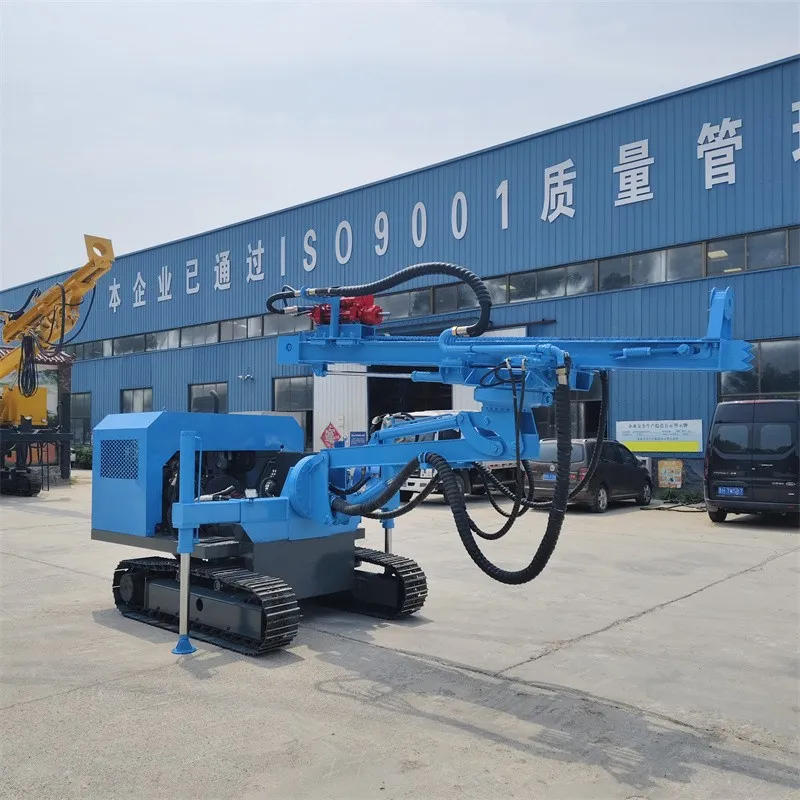
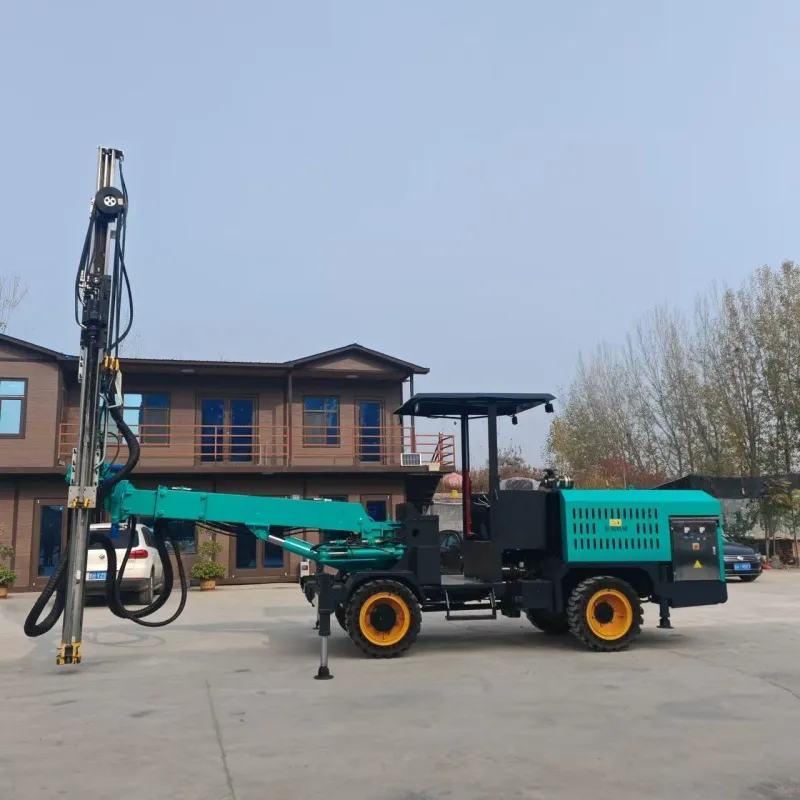
We offer a range of tunnel drilling rigs, including Single Boom Face Drill Rigs, Single Boom Tunnel Drilling Rig Jumbo, and Pneumatic Crawler Drill. These rigs are constructed using corrosion - resistant materials and are coated with high - quality protective layers to prevent corrosion.
Our engineers conduct extensive research and development to continuously improve the corrosion resistance of our rigs. We also provide comprehensive maintenance and support services to ensure that our customers' rigs remain in optimal condition. Regular inspections and maintenance can help to detect and address any corrosion issues early, preventing further damage and ensuring the long - term performance of the rig.
Contact Us for Purchase and Consultation
If you are in the market for a tunnel drilling rig with high corrosion resistance, we invite you to contact us. Our team of experts is ready to provide you with detailed information about our products, answer your questions, and assist you in selecting the right rig for your specific needs. Whether you are involved in small - scale tunnel projects or large - scale mining operations, we have the right solution for you.
References
- ASM Handbook, Volume 13A: Corrosion: Fundamentals, Testing, and Protection. ASM International.
- Callister, W. D., & Rethwisch, D. G. (2017). Materials Science and Engineering: An Introduction. Wiley.