

As a supplier of Single Boom Tunnel Drilling Rigs, I've encountered various common problems that users face during the operation of these machines. In this blog, I'll share some practical troubleshooting methods to help you solve these issues effectively.
1. Drill Bit Wear and Breakage
One of the most common problems with a Single Boom Tunnel Drilling Rig is drill bit wear and breakage. When the drill bit is worn out, it can lead to reduced drilling efficiency and poor hole quality. If the drill bit breaks, it can even cause the drilling operation to stop.
Possible Causes
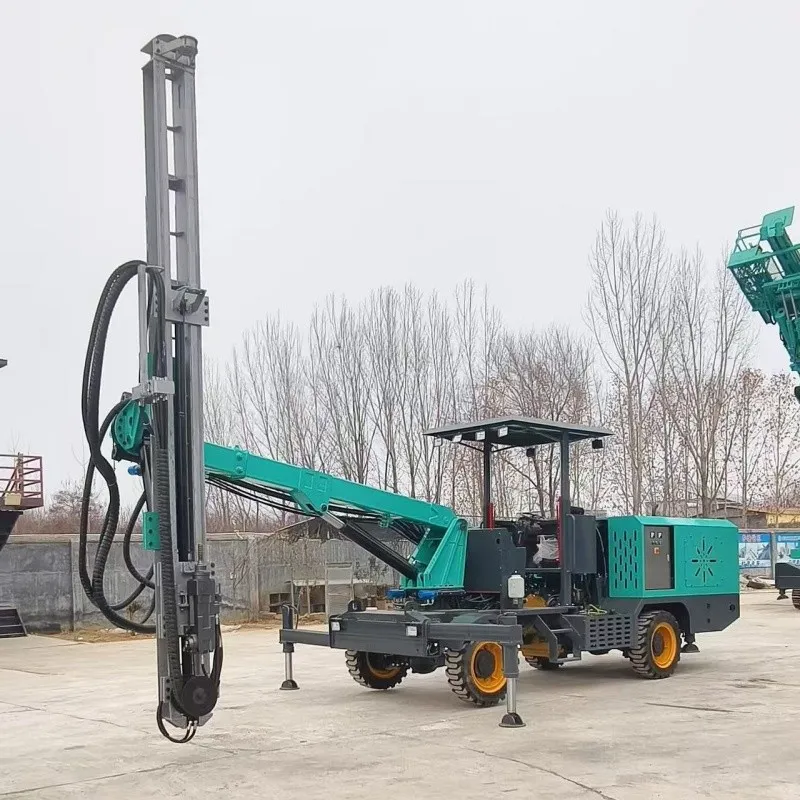
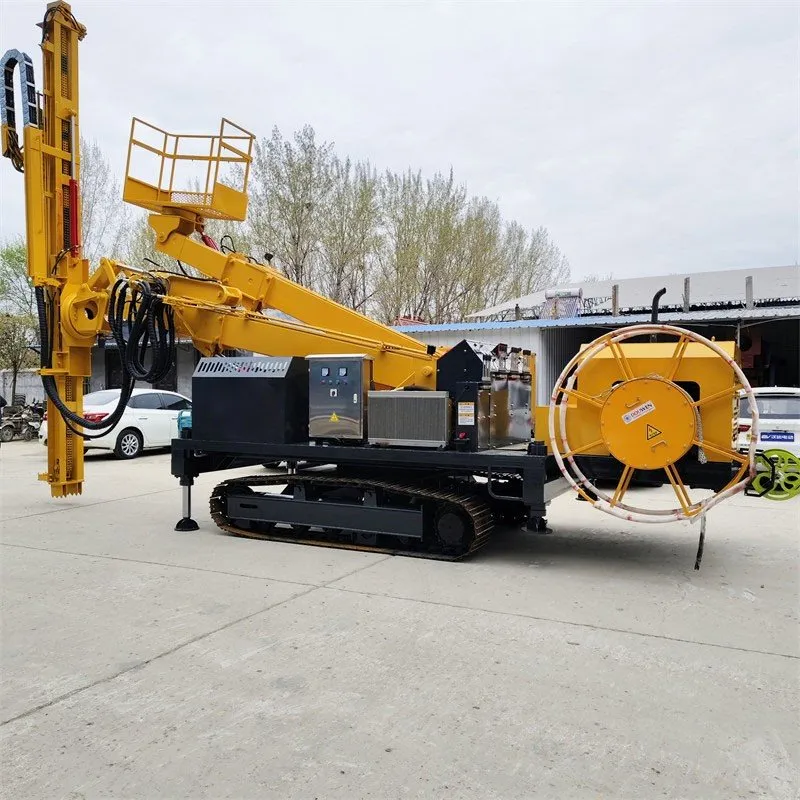
- Hard rock formations: Drilling in hard rock can cause significant wear on the drill bit.
- Incorrect drilling parameters: Using improper rotation speed, feed pressure, or impact force can accelerate drill bit wear.
- Low - quality drill bits: Substandard drill bits are more likely to wear out or break.
Troubleshooting Steps
- Inspect the drill bit regularly: Check the drill bit for signs of wear, such as dullness, chipping, or excessive abrasion. Replace the drill bit if it is worn beyond the recommended limit.
- Adjust drilling parameters: Based on the rock formation, adjust the rotation speed, feed pressure, and impact force. For hard rock, a lower rotation speed and higher impact force may be required.
- Choose high - quality drill bits: Invest in high - quality drill bits from reliable manufacturers. You can find a wide range of drill bits suitable for different rock conditions on our Single Boom Tunnel Drilling Rig page.
2. Hydraulic System Leaks
The hydraulic system is the heart of a Single Boom Tunnel Drilling Rig, and leaks in this system can cause serious problems. Hydraulic fluid leaks can lead to a loss of pressure, reduced performance, and even damage to other components.
Possible Causes
- Damaged seals: Over time, the seals in the hydraulic system can wear out or become damaged, causing leaks.
- Loose fittings: Vibration during drilling can cause hydraulic fittings to loosen, resulting in leaks.
- Cracked hydraulic hoses: Hoses can crack due to aging, abrasion, or improper installation.
Troubleshooting Steps
- Locate the leak: Check the hydraulic system for visible signs of leaks, such as oil stains or drips. Inspect the seals, fittings, and hoses carefully.
- Replace damaged seals: If a seal is damaged, replace it with a new one. Make sure to use the correct type and size of seal.
- Tighten loose fittings: Use a wrench to tighten any loose hydraulic fittings. Be careful not to over - tighten, as this can damage the fittings.
- Replace cracked hoses: If a hydraulic hose is cracked, replace it immediately. When installing new hoses, ensure proper routing and secure connection.
3. Electrical System Malfunctions
The electrical system of a Single Boom Tunnel Drilling Rig controls various functions, such as the motor, lights, and control panel. Malfunctions in the electrical system can lead to the rig not starting or operating erratically.
Possible Causes
- Loose connections: Vibration can cause electrical connections to become loose, resulting in poor electrical conductivity.
- Faulty switches or relays: Switches and relays can wear out or fail over time, causing electrical malfunctions.
- Battery problems: A weak or dead battery can prevent the rig from starting.
Troubleshooting Steps
- Check electrical connections: Inspect all electrical connections for tightness. Tighten any loose connections using a screwdriver or pliers.
- Test switches and relays: Use a multimeter to test the switches and relays for proper operation. Replace any faulty components.
- Check the battery: Measure the battery voltage using a voltmeter. If the battery is weak, recharge it or replace it if necessary.
4. Boom Movement Issues
The boom of a Single Boom Tunnel Drilling Rig is responsible for positioning the drill bit. Problems with boom movement can make it difficult to accurately position the drill and perform the drilling operation.
Possible Causes
- Hydraulic problems: As mentioned earlier, hydraulic system issues such as leaks or low pressure can affect boom movement.
- Mechanical obstructions: There may be mechanical obstructions in the boom's movement path, such as debris or damaged components.
- Control system problems: Faults in the control system can prevent the boom from moving properly.
Troubleshooting Steps
- Check the hydraulic system: Follow the steps mentioned above to troubleshoot hydraulic system leaks and ensure proper pressure.
- Remove mechanical obstructions: Inspect the boom's movement path and remove any debris or damaged components that may be blocking its movement.
- Test the control system: Check the control panel and wiring for any signs of damage or malfunction. If necessary, consult the rig's manual or contact a professional technician for further diagnosis.
5. Dust and Debris Accumulation
During the drilling process, a large amount of dust and debris is generated. Accumulation of dust and debris can cause problems such as clogging of filters, reduced airflow, and damage to components.
Possible Causes
- Ineffective dust collection system: If the dust collection system is not working properly, dust and debris will accumulate in the rig.
- Lack of regular cleaning: Failure to clean the rig regularly can lead to dust and debris buildup.
Troubleshooting Steps
- Check the dust collection system: Inspect the dust collection system for any blockages or malfunctions. Clean or replace the filters if necessary.
- Clean the rig regularly: Develop a regular cleaning schedule for the rig. Use compressed air or a vacuum cleaner to remove dust and debris from the rig's components, including the drill bit, boom, and control panel.
Conclusion
Troubleshooting common problems of a Single Boom Tunnel Drilling Rig requires a systematic approach. By identifying the possible causes and following the appropriate troubleshooting steps, you can quickly resolve these issues and keep your rig operating efficiently.
If you are facing any problems with your Single Boom Tunnel Drilling Rig or are interested in purchasing a new rig, our team of experts is here to help. We also offer a range of related products, such as Tunnel Support Rock Bolting Rig and Pneumatic Crawler Drill. Contact us for more information and to discuss your specific needs.
References
- Manufacturer's manual of Single Boom Tunnel Drilling Rig
- Industry standards and best practices for tunnel drilling rig maintenance