

When embarking on a tunneling project, one of the most critical decisions you'll make is choosing the right tunnel rock bolting rig. As a seasoned supplier of tunnel rock bolting rigs, I understand the complexities involved in this decision-making process. In this blog, I'll guide you through the key factors to consider when selecting the appropriate rig for your project, ensuring that you make an informed choice that aligns with your project's requirements and goals.
Project Requirements
The first step in choosing the right tunnel rock bolting rig is to understand the specific requirements of your project. Consider the following aspects:
- Tunnel Dimensions: The size and shape of the tunnel will determine the type and size of the rig you need. For smaller tunnels, a more compact rig may be suitable, while larger tunnels may require a more powerful and versatile rig.
- Rock Conditions: The type of rock you'll be drilling through is another crucial factor. Different rocks have different hardness and characteristics, which will affect the performance of the rig. For example, hard rock may require a rig with a higher drilling capacity and stronger cutting tools.
- Bolting Pattern: The bolting pattern you need to achieve will also influence your choice of rig. Some rigs are designed to handle specific bolting patterns, such as radial or pattern bolting. Make sure the rig you choose can accommodate the bolting pattern required for your project.
- Production Rate: The production rate you need to achieve is an important consideration. If you have a tight schedule, you'll need a rig that can drill and install bolts quickly and efficiently. Consider the rig's drilling speed, bolt installation time, and overall productivity.
Rig Features and Capabilities
Once you have a clear understanding of your project requirements, it's time to evaluate the features and capabilities of different tunnel rock bolting rigs. Here are some key features to look for:
- Drilling Capacity: The drilling capacity of the rig is measured in terms of the maximum depth and diameter of the holes it can drill. Make sure the rig you choose has the drilling capacity required for your project.
- Bolting System: The bolting system is an important part of the rig. Look for a rig with a reliable and efficient bolting system that can handle the type and size of bolts you need to install.
- Maneuverability: The rig should be easy to maneuver in the tunnel. Consider the rig's size, weight, and turning radius, as well as its ability to operate in confined spaces.
- Automation and Control: Many modern tunnel rock bolting rigs come with advanced automation and control systems. These systems can improve the accuracy and efficiency of the drilling and bolting process, as well as reduce the risk of human error.
- Safety Features: Safety is always a top priority in tunneling projects. Look for a rig with safety features such as emergency stop buttons, safety guards, and fire suppression systems.
Rig Types
There are several types of tunnel rock bolting rigs available on the market, each with its own advantages and disadvantages. Here are some of the most common types:
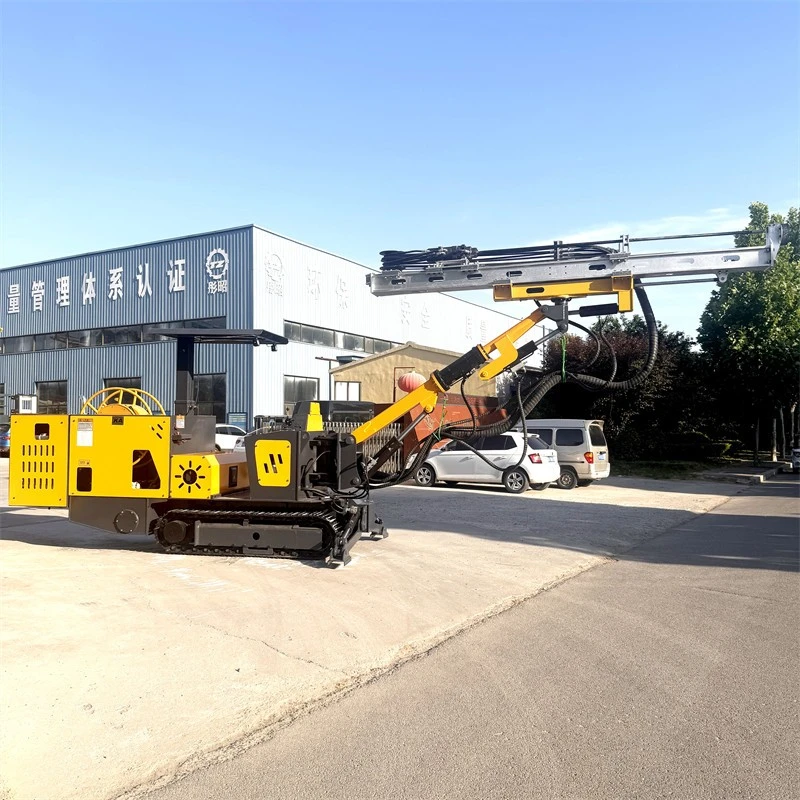
- Single Boom Tunnel Drilling Rig: This type of rig is designed for smaller tunnels and is typically used for drilling and bolting in a single location. Single Boom Tunnel Drilling Rig offers a compact and maneuverable solution for projects with limited space.
- Roadway Drilling Rig: Roadway drilling rigs are designed for larger tunnels and are typically used for drilling and bolting in multiple locations. Roadway Drilling Rig offers a more powerful and versatile solution for projects with higher production requirements.
- Single Boom Tunnel Drilling Rig Jumbo: This type of rig is a combination of a single boom tunnel drilling rig and a jumbo. It offers the advantages of both types of rigs, providing a compact and maneuverable solution with the ability to drill and bolt in multiple locations. Single Boom Tunnel Drilling Rig Jumbo is a popular choice for medium-sized tunnels.
Supplier Considerations
In addition to the rig's features and capabilities, it's also important to consider the supplier. Here are some factors to look for in a supplier:

- Experience and Reputation: Choose a supplier with a proven track record in the tunneling industry. Look for a supplier that has experience working on similar projects and has a good reputation for quality and reliability.
- Technical Support: Make sure the supplier offers comprehensive technical support, including training, maintenance, and repair services. This will ensure that your rig operates smoothly and efficiently throughout the project.
- Spare Parts Availability: It's important to choose a supplier that can provide spare parts quickly and easily. This will minimize downtime in the event of a breakdown and ensure that your project stays on schedule.
- Cost: Cost is always a consideration when choosing a tunnel rock bolting rig. However, it's important to balance cost with quality and performance. Look for a supplier that offers a competitive price without compromising on quality.
Conclusion
Choosing the right tunnel rock bolting rig for your project is a critical decision that can have a significant impact on the success of your project. By considering the project requirements, rig features and capabilities, rig types, and supplier considerations, you can make an informed choice that aligns with your project's needs and goals. If you have any questions or need further assistance in choosing the right rig for your project, please don't hesitate to contact us. We're here to help you make the best decision for your project.
References
- [Tunnel Rock Bolting Rig Handbook](Publisher, Year)
- [Tunneling Industry Standards and Guidelines](Organization, Year)
- [Case Studies of Successful Tunnel Rock Bolting Projects](Author, Year)